You're in the right place
Some questions begin in Scripture, others begin with a novel, a news story, a movie, or an unexpected conversation. This blog follows curiosity wherever it leads—with intellectual rigor, ethical reflection, and a healthy respect for complexity.
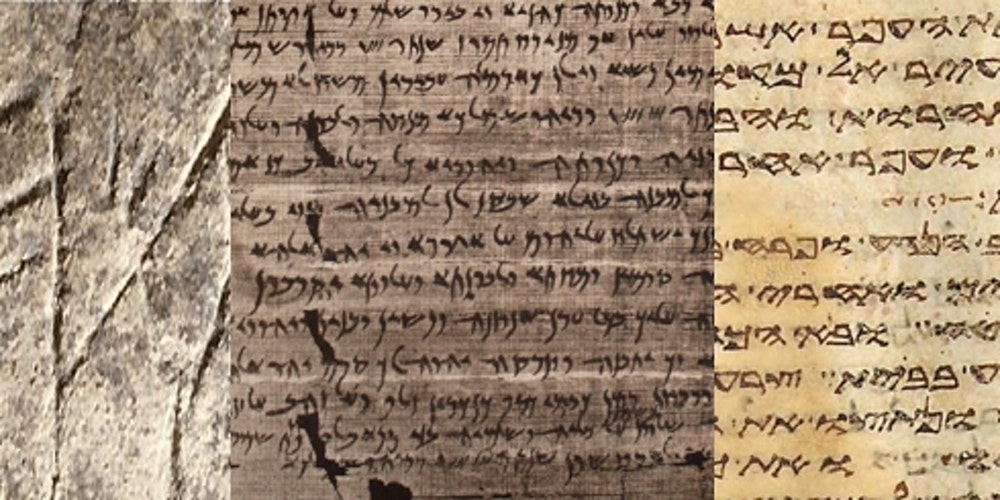
The ANELC 2021 eLecture series concluded today with a presentation by Margaretha Folmer (Leiden University/Vrije Universiteit Amsterdam). She offers a look at linguistic markers in Aramaic letters from a non-Semitic region, Bactria, a region that is heavily contested today and the subject of global news—Northern Afghanistan. Folmer wishes her research be received to contribute to…

Read or Listen to this blogcast I have just completed my recent reading of The Narnia Chronicles, and it has been quite a long time since I remembered the story C. S. Lewis wrote in The Last Battle. This finalé to the series is a remarkable commentary on modern theology that is simple presented as…
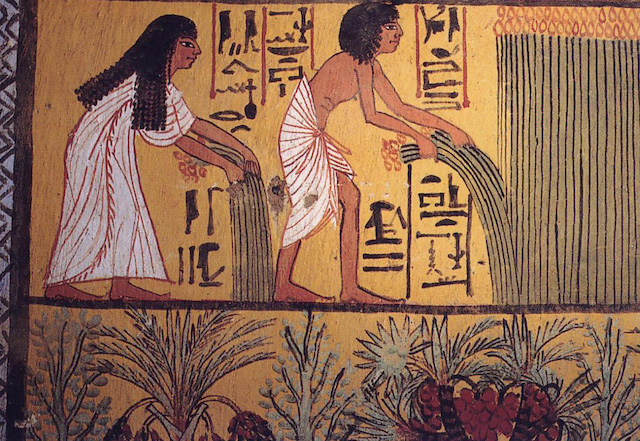
Letizia Cerqueglini (Tel Aviv University) presented on the spread of Egyptian language found in ancient Hebrew. Her presentation focused on linguistic and cognitive distinctions in the etymology of Afroasiatic languages. She begins by asking how we can separate Afroasiatic linguistic heritage from direct loanwords in antiquity. Her presentation considers many aspects of the connection between…

Read or Listen to the Blogcast As I have been immersing myself in literary and cinematic representations of the supernatural, I revisited the 1997 film, Contact. Dr. Ellie Arroway, played by Jodie Foster, has searched her entire life for confirmation of life by radio signal. Finally, as an adult, she discovers a signal confirmed from…
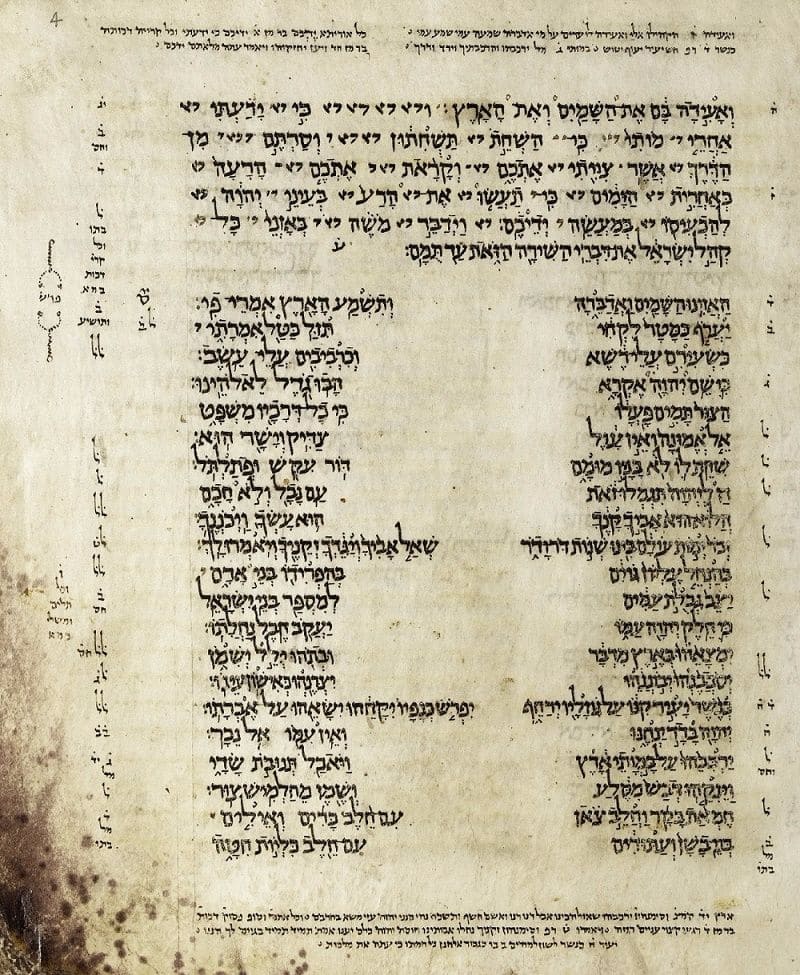
ANELC21 featured Geoffrey Khan (University of Cambridge) in the second of four eLectures on connections between ancient Near Eastern languages. Khan spoke about the tradition of Tiberian reading or pronunciation of Hebrew Bible texts. The Tiberian tradition of pronunciation for the reading of Hebrew was passed down by oral tradition and received by the Masoretic…
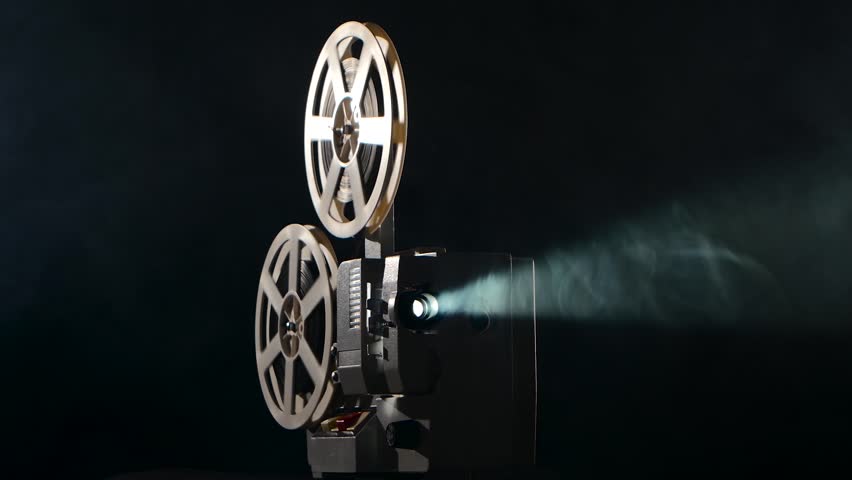
Steve Nolan’s book called Film, Lacan and the Subject of Religion (2009) is a book that looks at the relationship between film and religion. Nolan advocates for engaging with film as it is experienced or consumed as a means of religious interpretation. In this way, films may be interpreted by the visual equivalent of “reader…

Why is there so much anxiety about reproduction in sci-fi? This question has been posited in several recent discussions. And now that I have asked the question, I keep seeing examples of this concept of concern over the human ability to have children by natural means. This can be seen in sci-fi books, short stories,…
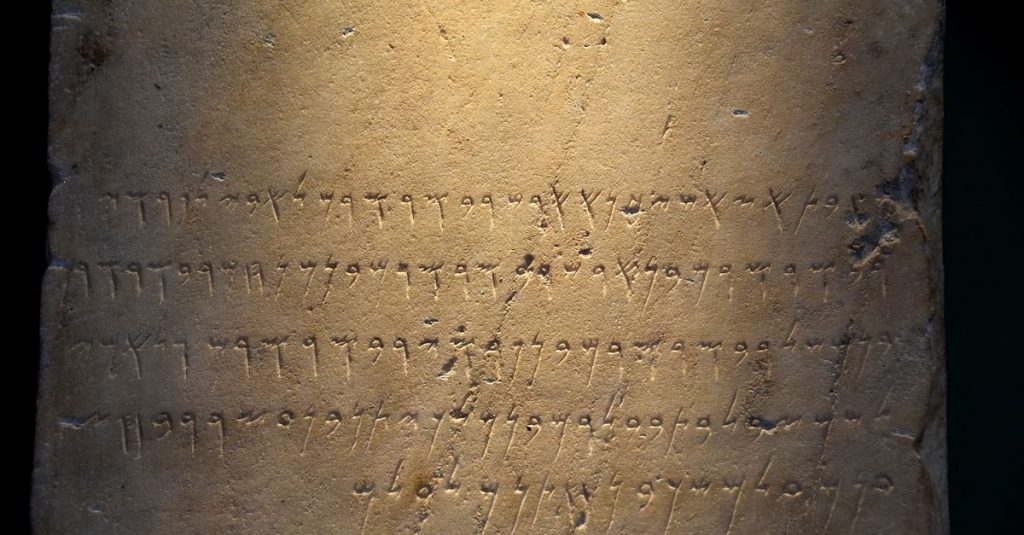
To begin the 2021 conference on Ancient Near Eastern Languages in Contact, Ohad Cohen (University of Haifa) shared a presentation entitled The Canaanite Melting Pot – the Theoretical Implications of ‘Languages in Contact’ to the Understanding of Late Biblical Hebrew. If you are interested in reading more on Canaanite Language or Late Biblical Hebrew (LBH)…
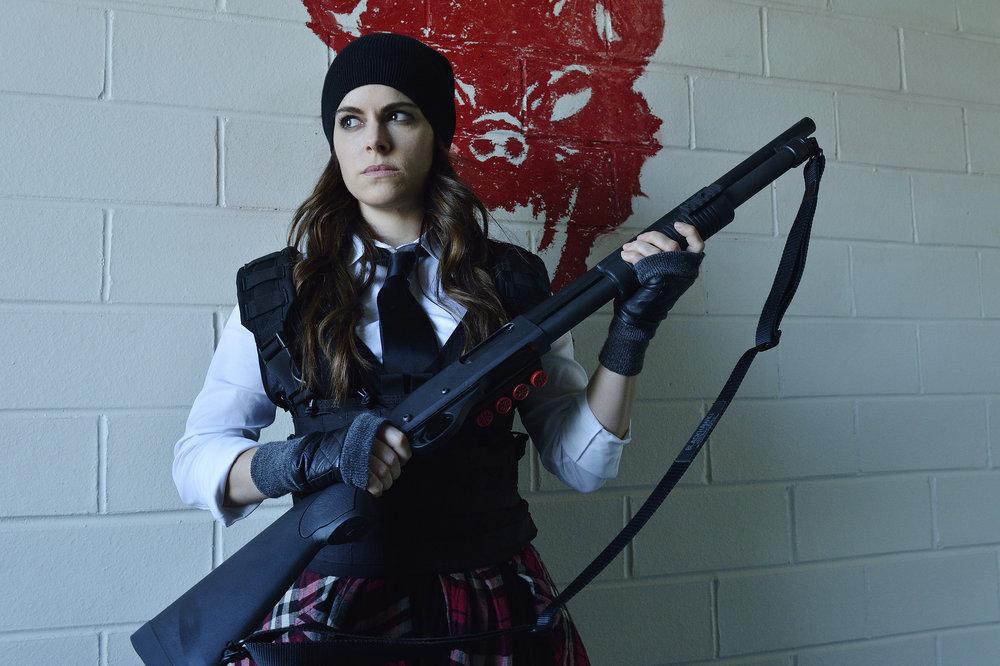
About one year ago, I started my blog with a commentary on the Twelve Monkeys series streaming on Hulu. I also posted a short podcast reflecting on religious themes in Twelve Monkeys. I began streaming the series near the beginning of the COVID-19 lockdown, an apt time to watch an epic sci-fi story about a…
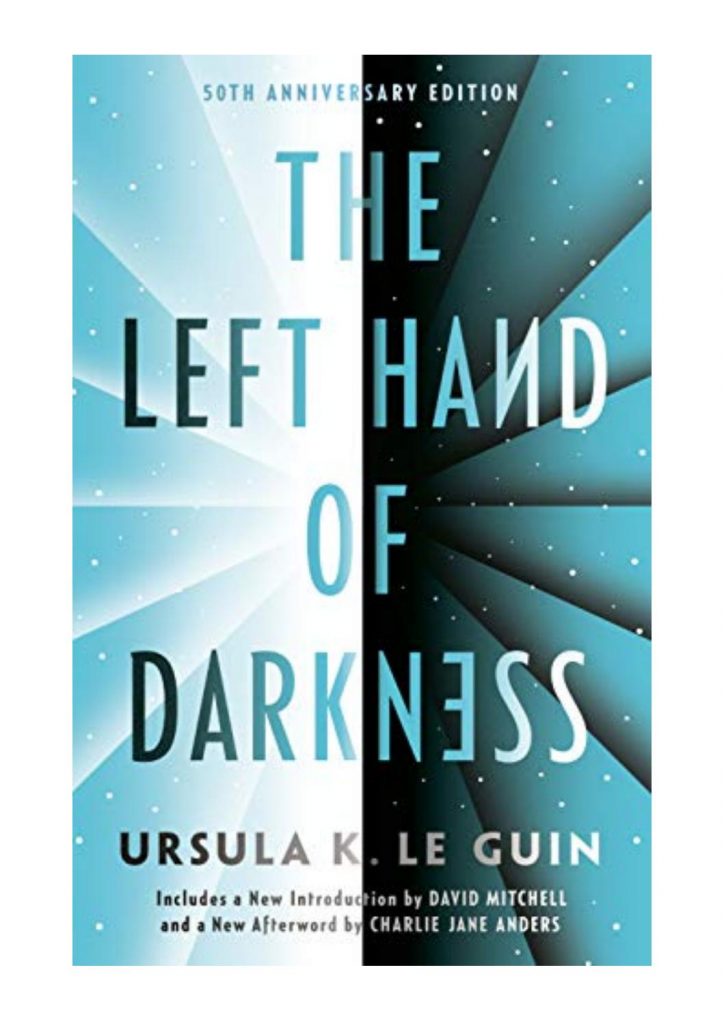
Read or Listen to the Blogcast “Light is the left hand of darknessand darkness the right hand of light.Two are one, life and death, lyingtogether like lovers in kemmer,like hands joined together,like the end and the way.”― Ursula K. Le Guin, The Left Hand of Darkness Ursula K. Le Guin was an award-winning sci-fi author.…