
You're in the right place
Some questions begin in Scripture, others begin with a novel, a news story, a movie, or an unexpected conversation. This blog follows curiosity wherever it leads—with intellectual rigor, ethical reflection, and a healthy respect for complexity.

While working on an essay about diversity, equity, and inclusion, I stumbled across this Ted Talk presentation by Janet Stovall, Sr. Director of Social Impact at UPS Foundation, is an advocate for inclusion in corporations, and an activist against racism. When she was at college, Stovall’s “Project 87” urged her North Carolina University to actively…

As a sequel to the interview on Creation Narratives, Dr. LePort invited me to respond to a series of questions about ancient Near Eastern flood narratives. You can view the video here. Read Brian LePort’s blog posting here.
This is a summary of a paper presentation that was originally made as a contribution to a short series hosted by the Centre for the Study of Bible and Violence, called In the Cross Hairs: Biblical Violence in Focus, to support emerging scholarship on biblical texts that deal with, or respond to, violence. I summarized…
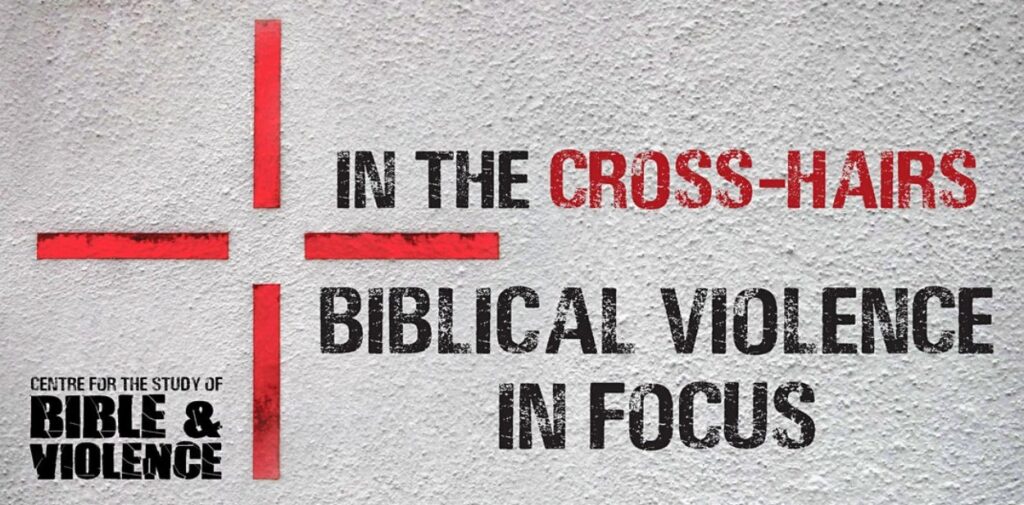
One of the delightful consequences of CVOID-19 lockdowns is the pressure for academic gatherings to extend invitations for online attendance. This week, I signed on at midday local time to join an event hosted in the U.K. evening. Four papers were presented and adjudicated for an award. All focused on aspects of violence in biblical…

The Ancient Near Eastern Languages in Contact eLecture Series ends this week with a presentation on Eblaite by Dr. Rebecca Hasselbach-Andee, Associate Professor of Comparative Semitics at the University of Chicago. Dr. Hasselbach-Andee’s work includes a broad range of Semitic languages, and she has edited a volume recently published, called A Companion to Ancient Near…
This week, the Ancient Near Eastern Languages in Connection eLecture series featured the research of two scholars on the connections between Aramaic and Arabic in the ancient Near East. Dr. Na’ama Pat-El is an Associate Professor of Semitic Philology at Harvard University. Dr. Phillip Stokes is an Assistant Professor in the Arabic program at the…

Benjamin Whittle, a research student at University College London in Hebrew & Jewish Studies, presented the ANELC eLecture today. Ben’s research is in contact between Hebrew and Greek. This presentation focused on how Hebrew verbal stems are codified in Greek translations of the Pentateuch and Former Prophets. The Septuagint (LXX), written in Greek, and the…
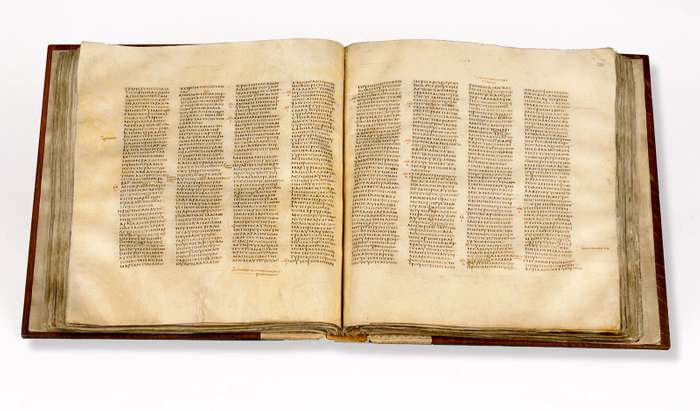
Dr. Marieke Dhont presented the ANELC eLecture this week, demonstrating linguistic connections between Greek and Jewish culture. In addition, her study provides evidence for a bilingual community of Jews in the Second Temple Period. This time period followed the introduction of Hellenism from the west into the whole of the ancient Near East. Hellenistic Greek…
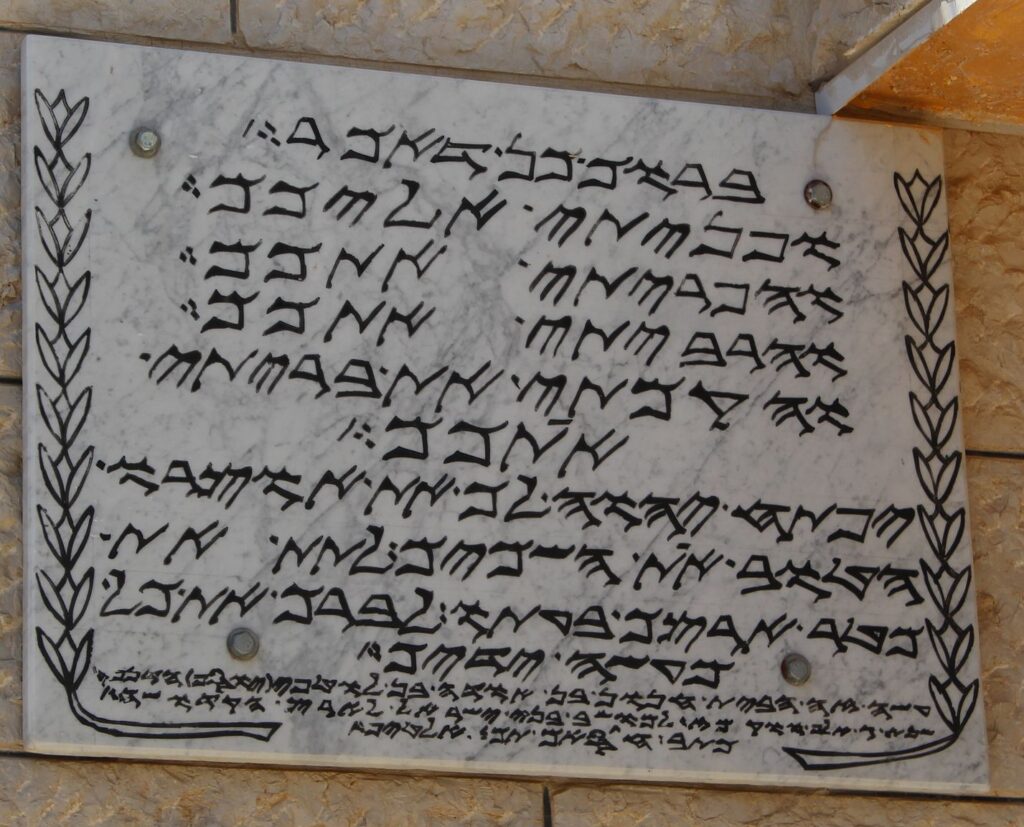
This week’s ANELC eLecture was presented by Dr. Stefan Schorch, who is working on a collaborative project to develop a lexicon of Samaritan Hebrew. Samaritans separated from the main Jewish religious life in late antiquity. Their practices of prayer and worship increasingly moved toward Mount Gerizim rather than Jerusalem in Judah. While the two sects…
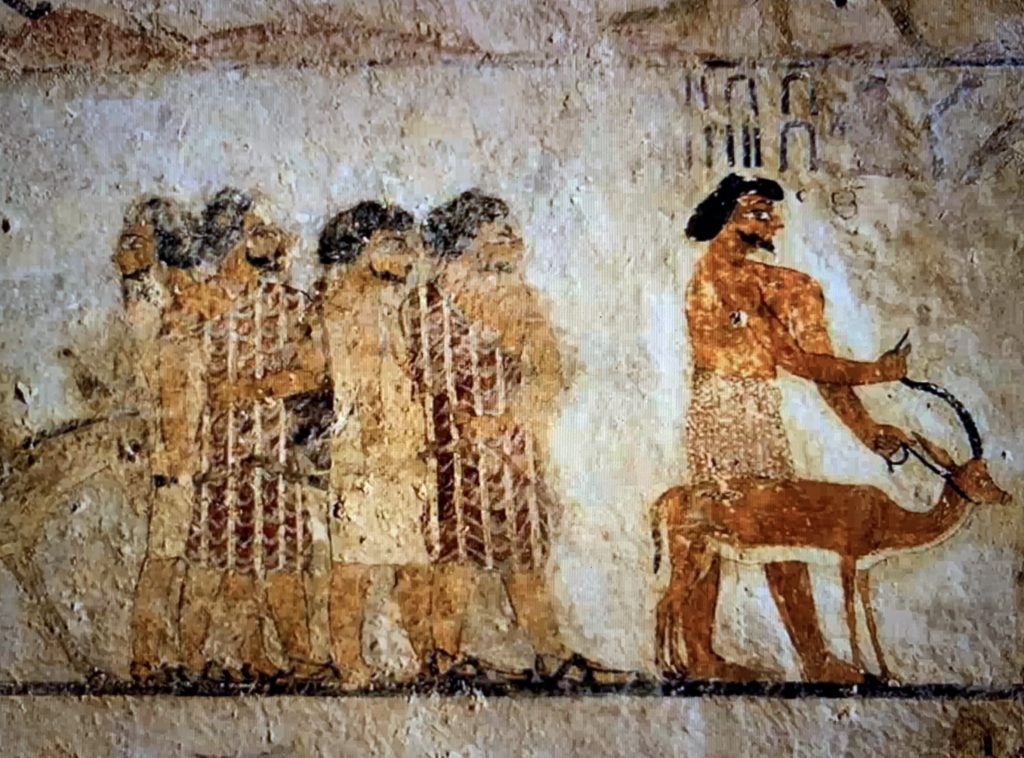
Professor Gary A. Rendsburg gave this week’s ANELC eLecture on ancient Near Eastern linguistic connections between Egyptian and ancient Hebrew. The lecture flowed naturally from last week’s, given on linguistic connections between Afroasiatic languages. While Dr. Aaron Rubin gave a detailed analysis of shared linguistic features, Dr. Rendsburg looked at specific words and phrases which…